Reflective Essay – Where am I now?

When I started this module I was still uncertain as to where I’d fit in in regards to the games industry, at first I was looking at the solid prospect of being a 3D artist, but after I realised I had an Achilles heel that make me less desirable I wondered if the role was right for me.

I discovered the role of Tech Artist, and given my experiences I felt that such a role was better suited to me, and I’m glad I did, pair this with the idea that I also wanted to become a teacher after my stint in the industry I had a fair idea of where I needed to be looking

Over this past few months I’ve been exploring the role more and more, seizing opportunities when I could, delivering classes, helping people online, and exploring new techniques. I’ve enjoyed seeing the progress I’ve made and I would like to see it continue more in the future.

While a lot of the things I did learn were from external experiences to the college, I did still learn a lot from my experience within the college, from the tasks we were given.

I think it’s safe to say the unreal project was really where I saw myself come out of my shell, I thoroughly enjoyed getting myself into the engine and building a game level ground up, but it’s also left me with a lot of pointers to learn, I can now continue to learn these things in my free time and my external work assists me in this as it uses Unreal 4.
One of my primary weaknesses to work on with my boss outside of study over the summer will be level design, as he is primarily level design based.
Understanding the engine and creating the level has given me a firm understanding of what I need to aim for, and the optimization techniques I’ve learned outside of study has greatly benefited my experience in such.

Substance Designer and Marvelous Designer have now become a standard part of my workflow, I found learning these in Alternative techniques was an amazing addition to my arsenal of tools and has made me much more employable.

I have taken the time, thanks to my tutor, to teach the class industry standard techniques, which has greatly increased not only my confidence but my capability of delivering a concise lesson to a group of people and has opened up my ability to network and bond with my ‘colleagues’ I feel since such time I have developed a much stronger bond between my classmates and I hope to be able to replicate this in the future with my role in the industry, while I don’t know everything, I am willing to learn, and I am willing to repeat what I have learned to others.
Teaching others and gaining feedback from them also opened my eyes to a few personality traits I never thought I had, hopefully desirable personality traits that I can expand more on to create a strong sense of leadership within myself.

I have seen my work improve at least two-fold in this past year alone, a testament to the fact that I am learning, even if it is at my own pace, I know Maya, now, for instance, which is a very desirable skill in itself and I’m sure, as I keep going along and using it I will become proficient in it to be able to run in a job where Max isn’t installed.

That’s not to say I have not had down times, but the positives to be gained from these down times are just as important as the positives from the good times.
I’ve learned to not waste my energy on those who cannot be helped, and those who will not help. I have learned to keep my personal problems away from the job at hand and to keep my problems with the job between myself and those who need to know. With time, I will continue to reflect positively on bad times and learn to grow strength from it. The toughest lessons are the ones you learn most from, and having had a bumpy start of the course due to some management issues, I have gained a stronger character and I have learned to not waste time and energy getting frustrated over things I can’t control.

Outside of college, my experience with Blackfoot Studios has been and still is an incredibly positive learning experience, with Phil being my gruff mentor and John having been a Tech Artist, he is willing to take me under his wing and help me become who I want to be, he directed me towards Python, and I am still continuing to learn the language, it’s been a very positive experience to get back into the programming side of things after so long away, Python and MaxScript have both enabled me to optimize my own Workflow, with the Picatinny rails script being functional, it’s helped me a lot as now all I need to do is bring up that script when I need to create them.

With my past year at least in college, I have learned more than I anticipated, my character has completely changed from the person I was when I started, initially I was confused, anxious and unable to act on my own initiative, now, I am very independent, willing to ask questions, and I’ve grown a steely determination that I hope will stay with me throughout my career.
Creating a CV

Over the past two years my skills and knowledge have broadened increasingly, meaning my old CV is now outdated and needs upgrading

As a result, I needed to create a new one.

My skills prior to joining HE were simple Photoshop and basic 3dsMax knowledge, now I have these skills to add:

3dsmax
Zbrush
Marvelous Designer
Substance Painter
Substance Designer
Quixel
Basic Maya
Unreal Engine 4
and Real Virtuality 4.

Which is a lot of skills compared to when I started out!

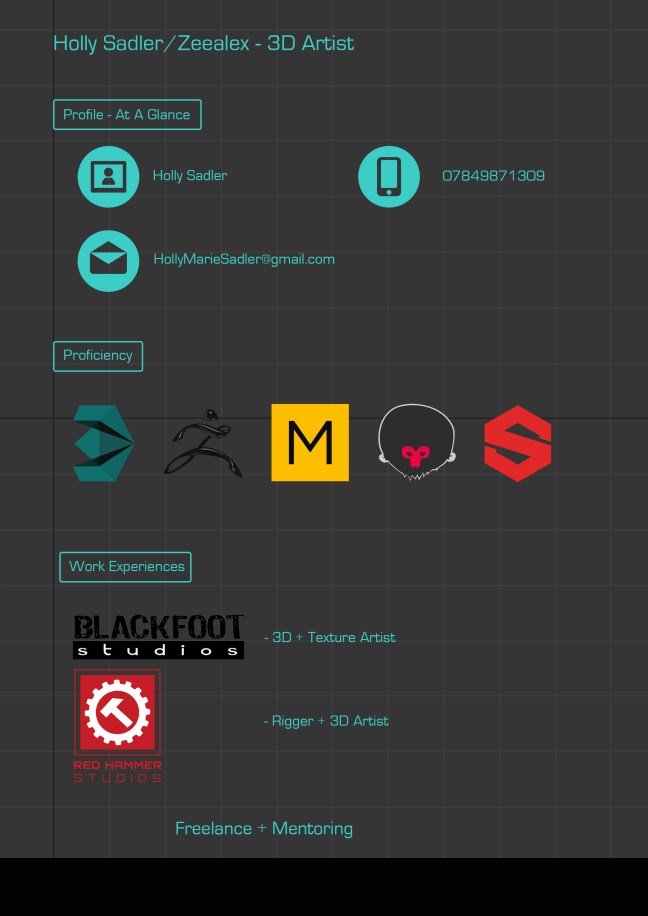
I’ll upgrade my old CV first, and then create a basic “at a glance” resume for a very quick breakdown of my most recent work history and skills.

My Basic “At A Glance” Resume. creative _CV.jpg

Learning Python pt.2

Having completed the tutorials on the Android app that I was looking at, I am now getting more proficient in Python, I know the basics, the keywords, the syntax and generally how it works with simple calculations.

Now it’s really a case of continuing to learn it and understand it far enough to create a simple program or script.

I’ve enjoyed my time learning python so far and cant’t wait to continue learning it to the point of proficiency.

Contextual Studies 2 Evaluation

I recently received my contextual studies marks back and I’m fairly happy with the grade.

I agree with the feedback given, and I do need to be more conversational in my writing in the future, when listing out points of interest, however a lot of the bullet pointed lists were statements based upon the research I had done and felt it was better to list these points clearly.

I am pleased that I hit learning outcome 2 almost on the head, and I am happy with the feedback given, especially that my tutor has understood my point within the essay.

I do agree that I need to extend my reading beyond what I did, however I also looked at what I felt was necessary to get the point across at the time, a lot of this information is communicated across the internet rather than books or journals, however I’m sure if I looked hard enough I could find these sources.

SWOT analysis

Strengths:
cohesive writing and an interesting ‘out of the box’ topic
solid evidencing of my points
interest in the topic

Weaknesses
Lacking conversationality
lack of expanded researching horizons

Threats
Most information is on the internet these days, especially when in games design fields.
Time is always a threat.

Opportunities:
There’s a large library nearby, I should look there for source information
I can always look at ways of enhancing my essay writing.

Targets:

Look for more source material on physically based rendering and the limitations of it, this will be good to know as part of my chosen career.
look online for courses in enhancing essay writing and conversational writing skills

Deconstructing Ghost Recon Wildlands’ Character workflow

So as I’ve been progressing with Marvelous Designer, and seeing as I’ve been pretty into the latest installment of Ghost Recon recently, I thought i’d try to deconstruct their character workflow.

One good skill to have as any kind of artist is the skill of breaking down another artist’s work. Not copying it exactly, but understanding what they did and how they did it. which is what I aim to do here as part of a major project.
This aids growth of myself as an artist, and also forces me to extend my knowledge of new software.

Firstly, The work I was producing before this was this level:
screenshot831.png
And that is what I need to aim to beat.

An in-Depth Look at the characters ingame

So first of all I need to look at how they did it, no point in doing something now if I don’t know what specifically I need to aim to do.

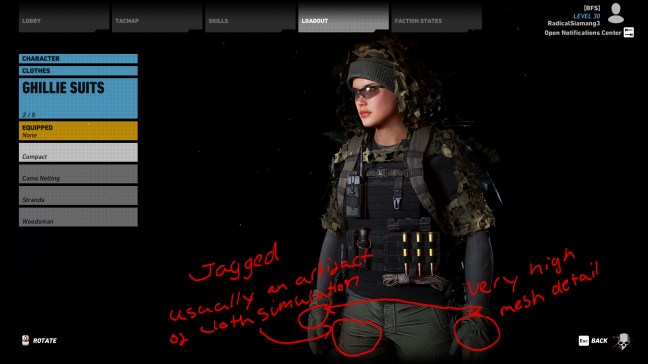
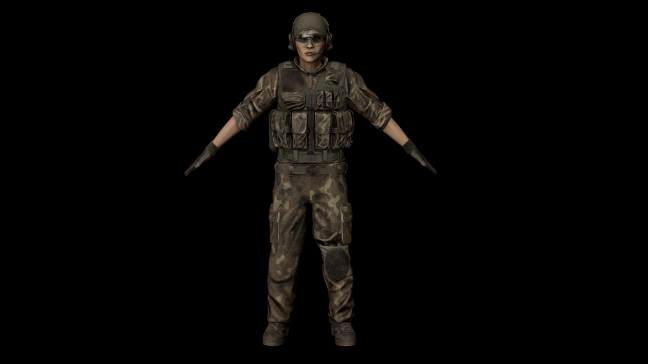
One of the first things I noticed was the jagged wrinkle lines on some of the clothing, this normally indicates to me that it’s gone through clothing simulation software and touched very little by other software, as normally wrinkles coming out of Zbrush are smooth, almost to the the point where they look artificial.

Another point of note was the incredibly high mesh detail, if I was to hazard a guess, I would say an entire character model in the customization menu is likely upside of 100K verts.
for the mesh to work well Ingame, this would need some serious LOD work.

GRW_Character_analysis.jpg

Ubisoft has been stated as a user of Marvlous Designer, and for their AAA works like Ghost Recon Wildlands, which has a number of different customization options, it’s safe to assume that, in the essence of time, they used Marvelous Designer to quickly create and simulate clothing, requiring much less time in software before it is visually appropriate and be placed into the game

The textures look like a mix between Quixel Suite and Substance painter, the fading patterns look similar to substance painter masks, but the fabric looks scan-based a la Quixel, I am willing to bet that due to colour customization, Quixel is probably the more likely candidate due to its PSD output as standard, however substance painter is more reliable software. I would imagine, though, it was down to the individual preference of the texture artist.

The MOLLE on the vest is 2D unless a greeble (i.e the bullets) has been added there, then the MOLLE goes over the top of it, a great optimization technique that maintains visual appeal.

While Photogrammetry is becoming an industry standard, my gut feeling is that the head models have been sculpted from a common base mesh to maintain consistency, the textures have likely been done in either Mari thanks to its ability to mimic colour from a photo or substance painter thanks to its stability, speed and ability to automatically process subsurface scattering maps. Skin shaders are industry standard, so I will need to look at creating a visually correct subdermal map and use it appropriately.

Baking with Substance Painter

Something I learned along the way deconstructing the wildlands character workflow is how much simpler it is to bake with substance painter than it is to bake with Max or a Max based tool.

there’s no cage setup needed or anything too mundane, you simply just import the highpoly model into the project, set a minimum and maximum ray cast distance and voila a full detail Normal, AO, Position, Curvature and WSN map is created in 4096×4096 in less than 10 minutes.

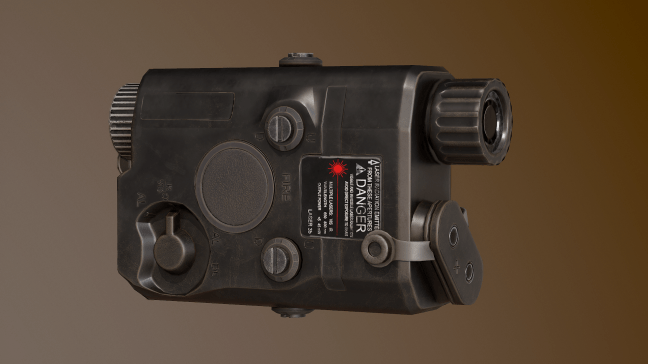
Not only that, but I was having issues with the cage and smoothing groups  in max, noted here in this render, the issue is obvious to me on the top of this laser sight which I was reworking the texture and bakes for. screenshot1069after hours of messing around trying to find out what was wrong, I tried substance painter
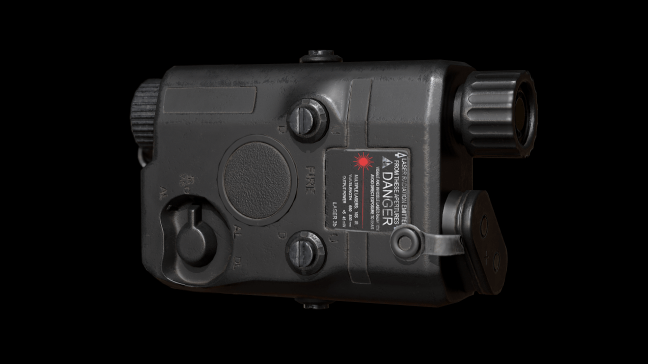
the final result was much smoother and much less obvious
screenshot1070

Following on from this I have also seen its benefits when baking anything I pull out of Marvelous designer these days as the detail of the lowpoly’s silhouette is normally incredibly high, making caged baking a much more mundane process, unnecessarily so.

It’s a really great tool and is now my go-to tool for error free, cageless baking done quick.

Maya is Less Alien to me

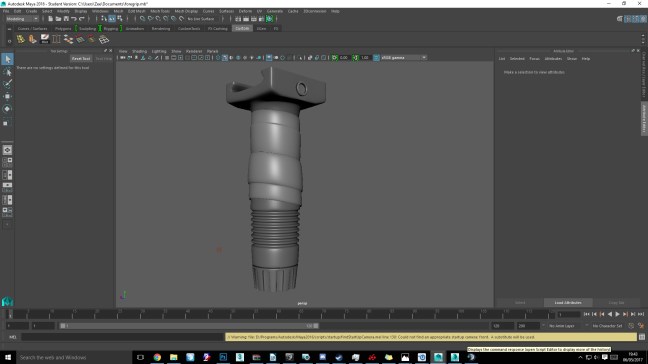
While I’m still creating somewhat basic objects with with Maya, I am slowly but surely getting used to the interface, and with the modelling toolkit by my side, I’m having a fairly ‘Max-like’ experience here.
Still a few ups and downs, but for getting basic shapes with not much intricate detailing it’s proving its worth for sure.

My main goal now is to continue using it until I can get faster and understand what’s causing what issue where.

Especially now that I have the Space navigator it makes life using any of my software much easier as I’m not having to re-profile myself to the software every time I switch over.

A foregrip I made in Maya

Untitled-1

Using 3D renders for 2D art

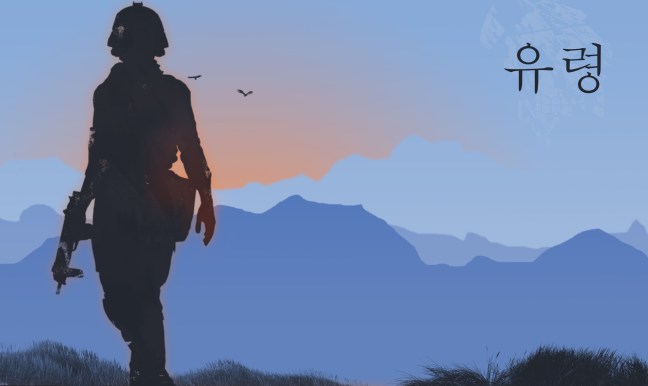
So I had that model I did while trying to deconstruct Ghost Recon Wildlands’ character model workflow, I thought I’d step out of my comfort zone a little and do something 2D in photoshop with it, it also allowed me to use some really great free brushes I nabbed on the internet.

I kind of liked the idea of doing a minimalistic silhouette style image, so that’s what I ended up doing. ghost_silhouette

I felt it was an interesting look into depth and contrast, if nothing else but a bit of boredom busting.

I’d like to experiment more with this styling someday, but right now this isn’t my focus.

37/02/2017 – What’s my progress right now?

So in the first reflective assessment I’ve noted weaknesses for me to work on:

-have excellent organisational skills
-have good communication and people management skills, in order to train and mentor others
-have knowledge of console hardware architecture; while I know this, it could improve.
-Learning Maya at least to some degree.

I have worked my way through teaching the class and found that I was working well on that, fellow students noted concise communication and flexibility.

So I can cross that off my list for now.

I’m still looking at learning Maya, hopefully soon I’ll be used to the interface enough for me to be able to manipulate it with the same tender loving care I’ve come to appreciate from using max. While I’m there, at a stretch, I wouldn’t mind looking at Houdini, that’s becoming an industry standard software now too.

So my revised SWOT analysis weaknesses based on my chosen role is:
-have excellent organisational skills
-have knowledge of console hardware architecture; while I know this, it could improve.
-Maya

With my Targets being:
-Learn the basics of Python, this will allow me to understand more about the syntax of other programming languages. There’s an app for this on android which I will take a look at.
-Continue to use Maya at least twice a week, even if it’s just opening up the program and making something basic until muscle memory of the tools and menus is burned in.
-Do short research pieces on the limitations of the PS4 and Xbox One, and how this affects the games industry – Seeing as I have no artists to aspire to, technical research will be my main focus.
-Make a time management sheet for the next month.

New Toy: 3DConnexion SpacePilot Pro

A friend of a friend was getting rid of an old Spacepilot Pro 3D space navigator that he no longer used, I decided to go all in an purchase it from him and I’m immediately finding 3D navigation much more natural and adaptable, due to it working with most 3D programs with the option to profile it to them if it doesn’t work, it’s becoming increasingly better for me to switch between programs such as Maya, Max, and Zbrush, all programs that have different control sets, leaving the mouse for manipulation of the software and nothing more.

While it did cost a pretty penny, I can see it becoming my best friend for years to come, it’s immediately made me much more adaptable and will allow me to focus purely on using my skill, than spending a few minutes realizing i’m not in the previous program.